
Kimmy K3: When an Open‑Source Model Upends the AI Balance of Power
ByGilad Dor Levi
A new open‑source model is closing in on frontier performance — and rewriting the cost math for every business building on AI. Here's what it means for you.

The AI world waits for no one. In the span of a few hours, the release of a new open‑source model called Kimmy K3 reshaped the industry conversation — and for good reason. For the first time, an open model is standing nearly shoulder to shoulder with the strongest closed models, and on some benchmarks it edges past them. For businesses, this isn't just another passing tech headline. It's a real budget and strategy question: what do you run the intelligence behind your workflows on, and at what cost?
A Step Change in Open Source
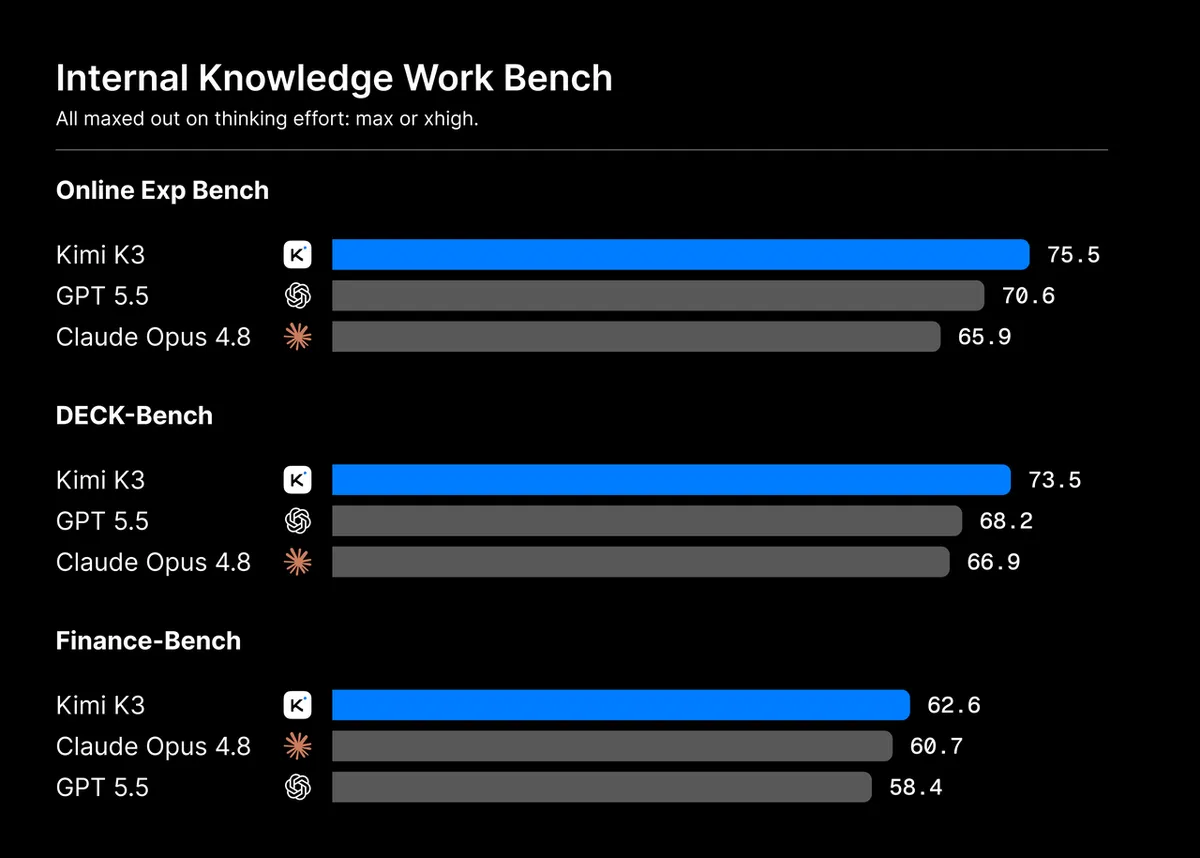
For years the assumption was simple — the truly powerful models stay closed, owned by a handful of companies. Kimmy K3 challenges that assumption. On deep software‑engineering benchmarks and practical "terminal" style tests, it approaches frontier territory, and in several cases matches or beats the leading closed models. The implication is significant: capability that until recently was available only through a single closed vendor is now within reach of anyone with the infrastructure to run it themselves.
Frontier Intelligence at a Fraction of the Cost
The economic point is the heart of the story. When an open model delivers roughly 90% of the quality of the most expensive models — but at something closer to mid‑tier pricing — the entire calculation changes. A business paying a steep premium for the "top line" is suddenly forced to ask: does the quality gap really justify paying many times more? For a large share of everyday tasks, the answer becomes "no."
Speed vs. Cost: The New Trade‑off
There's no free lunch. In practical comparisons, the open model can take two or three times longer to finish a complex task than the fast closed model. And that's exactly the new dilemma for decision‑makers: pay a premium for a fast result, or save substantially in exchange for a longer wait. The right answer depends on the task — not every process needs the fastest possible response, and plenty of automated flows run in the background anyway.
What It Means for Businesses
Companies — including billion‑dollar ones — are already asking what it would take to move an entire infrastructure from a closed model to an open one. It's not a trivial move: you have to weigh operating cost, data security, stability, regulatory compliance, and how well it fits your existing processes. But the very fact that the question is on the table is the story. Vendor diversification has stopped being a luxury and become part of responsible risk management.
The Real Bottleneck: Distribution, Not Intelligence
Here's an insight that's easy to miss: intelligence itself is no longer the limiting factor. A high‑quality model that is open and available means capable intelligence can run almost anywhere — including, in the not‑so‑distant future, on personal devices. The bottleneck shifts from "how smart is the model" to "how accessible is the capability." And that is exactly what an open model solves: it distributes capability instead of concentrating it in a single set of hands.
Looking Ahead: An Economy of Cheap Intelligence
The price of intelligence is falling sharply year over year. Imagine a world where anyone can spin up dozens of smart "assistants" in an instant, almost for free, for any intellectually valuable task. In that world, human knowledge work — today the bottleneck to almost everything — stops being the scarce resource. Even if models stopped improving tomorrow, we'd have two decades of work just weaving what already exists into our products, services, and business processes.
What It Means for You, and How NexAi Sees It
For a business, the practical takeaway is simple: don't fall in love with a vendor — fall in love with the outcome. The real value isn't in any specific model but in the automation built correctly around it, one that knows how to pick the right tool for each task — fast and pricey when it matters, cheap and slower when it can afford to be. That's exactly NexAi's approach: build smart processes that aren't locked to a single vendor, so that when the market moves — and it moves fast — your business profits from the competition instead of being stuck on the wrong side of it.
The competition between open and closed source, and between different global players, is good news for anyone building on AI. It drives prices down, increases flexibility, and prevents power from concentrating in one place. Kimmy K3 isn't the end of the story — it's a signal of the direction. The question every leader should be asking now isn't "which model is strongest today," but "is my infrastructure built to capitalize on the next shift, instead of getting stuck behind it."
Keep reading
ArticleAI
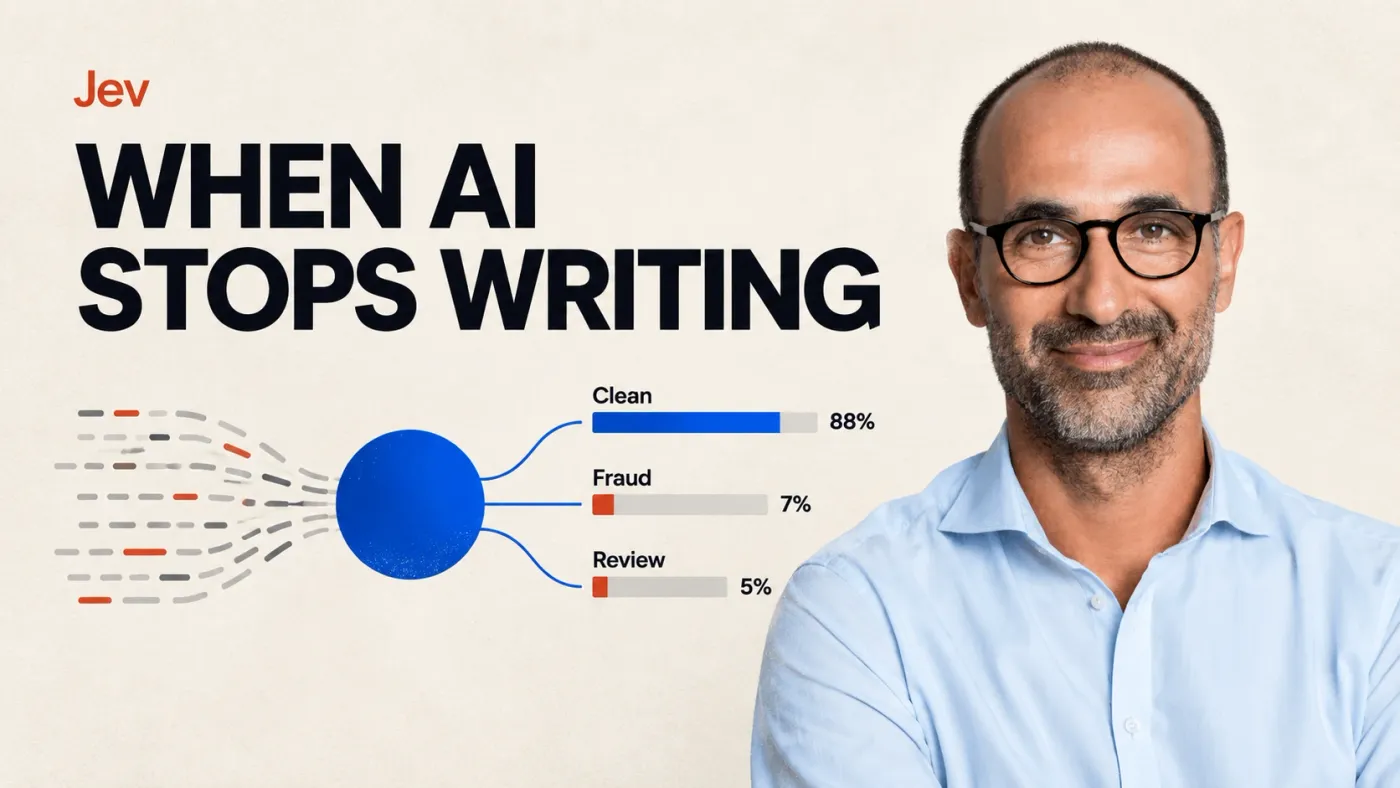
Jev: the new AI model that answers with probabilities, not words
TypeSafe AI just launched Jev, a System 1 model built by an OpenAI RLHF co-creator that returns calibrated probabilities instead of text, in under 500 milliseconds.

ArticleAI
LangFuse: Real Observability for AI Coding Agents
LangFuse is an open-source observability tool that gives you full visibility into every request an AI agent makes: what was sent to the model, what it cost, and whether the response was actually good.

GuideBusiness automation
Business automation costs
Separate setup, software, and maintenance costs, then estimate payback before you commit.
Follow us
TikTok · X · Instagram · Telegram
Ready to automate?
Let’s build a system that works for you — not the other way around.