
7 Stages to Build a Professional Website with Codex (Without the AI-Slop Look)
ByGilad Dor Levi
A practical 7-stage framework for turning an AI-built website from generic to genuinely on-brand, from defining the goal to polishing the final components.

AI coding agents like Codex (the agentic mode inside ChatGPT) have become a serious tool for building landing pages and full websites. But there's a recognizable problem: a lot of AI-built sites look... manufactured. Same colors, same structure, same generic feel. The reason is simple: when thousands of people prompt the same model without unique direction, it keeps making the same design decisions.
Here's a 7-stage framework that helps avoid that and produce a site that actually feels like a real brand.
Stage 1: Define the goal before writing a single line of code
A prompt like "build a landing page for an AI community" gives a topic, not a purpose. It doesn't explain who the page is for, what they need to understand, or what action they should take. Without that, the model has to guess, and even a good-looking result can end up solving the wrong problem.
Before building, define:
- Who the audience is
- What the product or service actually does
- What the single desired action is (sign up? buy? join a waitlist?) It also helps to keep this context in a persistent project instructions file, so every new session starts from the same shared understanding instead of re-explaining it each time.
Stage 2: A design system, not the default style
A capable model can generate a decent site from a short prompt. The problem only becomes visible once you've seen a few in a row: the content changes, but the same visual language keeps repeating. That's what people mean by "AI slop."
The fix: keep general design rules as a reusable instruction set the model loads before it designs, so decisions are deliberate instead of default.
Stage 3: Verify in an actual browser, not just "it runs"
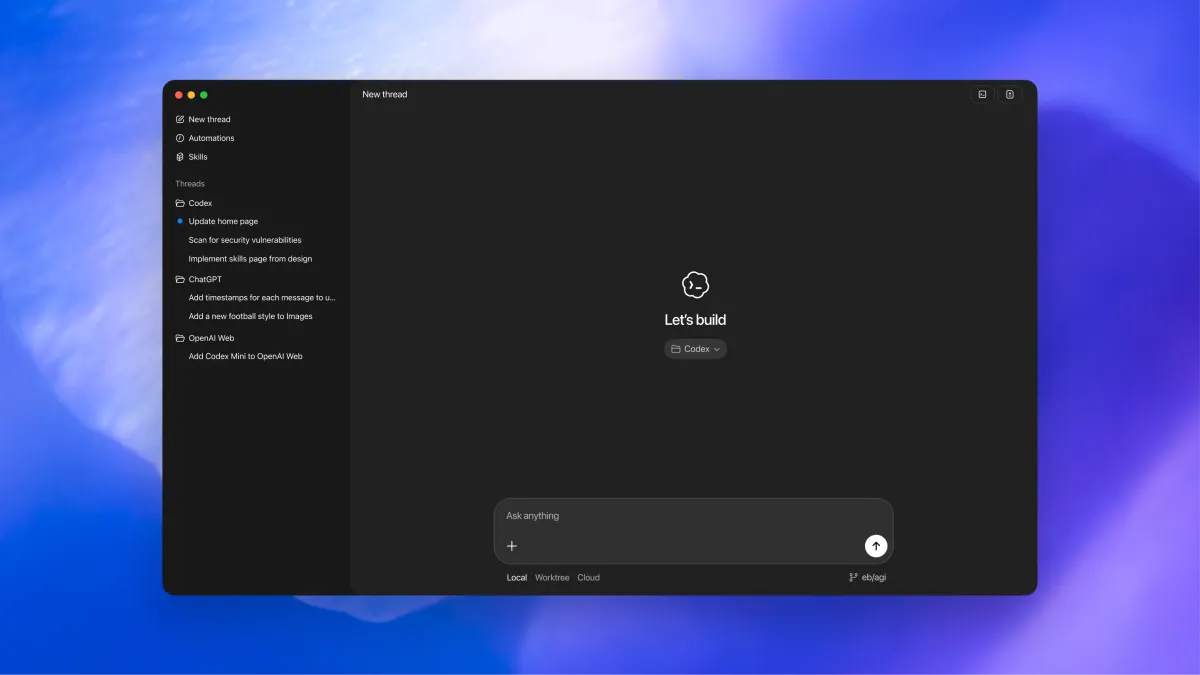
Code can execute without errors and still look broken. It matters that the agent actually opens the result in a browser, checks that the visuals match intent, and tests responsiveness across screen sizes. Modern agentic tools can do this on their own, if you instruct them upfront to verify visually without waiting to be asked.
Stage 4: A distinct visual identity
Even with better general design instincts, a model without brand-specific direction falls back to its own favorite colors and layout habits. The fix is a dedicated design system file that defines color, typography, spacing, and tone for this specific brand. That's the difference between "a nice AI-generated site" and "a site that looks like a real brand built it."
Stage 5: Original imagery, not stock photos
Generic stock photography is another giveaway of AI-built sites. Once the model understands the product and the visual system, it can generate original imagery that actually matches the content and design, instead of stock photos that just fill empty space.
Stage 6: Borrow layout inspiration from the real world
Even with original colors and imagery, page structure can still feel like a standard AI template, especially in the hero section, the first thing visitors see. The fix: give the model real visual references from leading design sites so it composes something different. The goal isn't to copy a design, it's to use it as inspiration for structure.
Stage 7: Polish individual components
In the final stage, once the overall design is in place, specific components (a button, a background animation, a navigation bar) can be upgraded using external component libraries instead of asking the model to redesign everything from scratch. This gives precise control over small details without breaking the design direction already established.
Takeaway
Building a website with AI isn't just "ask and receive." The difference between a generic-looking result and a site that feels like a real brand comes down to the layers you add: a clear goal, a deliberate design system, real verification, a distinct visual identity, original imagery, layout inspiration, and final polish. Each layer moves the output further from "another AI site" toward "a site that actually works for the business."
Keep reading

GuideAI
How to edit videos with ChatGPT Codex and Remotion
A practical workflow for editing talking-head video with Codex and Remotion, including transcription, silence cuts, captions, approval checks, and copyable prompts.

ArticleAI
How I would build an AI paper-trading agent with Codex and Alpaca
How I would plan a paper-trading experiment: connect Codex to Alpaca, schedule six daily checks, set operating rules, and check availability in Israel.

ArticleAI
Where to Find Design Inspiration Before You Prompt Claude
Six kinds of sources I use to give Claude something visual to aim at, so AI website output stops defaulting to the generic average.
Follow us
TikTok · X · Instagram · Telegram
Ready to automate?
Let’s build a system that works for you — not the other way around.